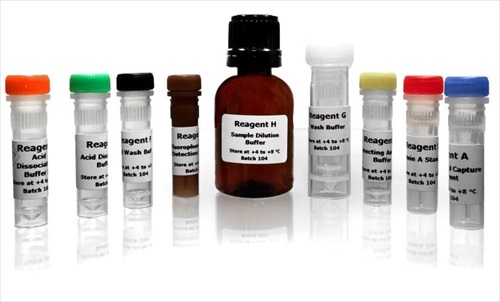
Optimized kit for use with Gyros immunoassay platform
Gyros AB, a leader in utilization of microfluidic technologies to miniaturize and automate immunoassays, today announced the launch of its Gyrolab™ Protein A Kit for use on Gyrolab xP workstation. During purification of biotherapeutics, Protein A can leach from the chromatography support and co-elute with the therapeutic antibody product. The contamination complicates subsequent analysis using immunoassays....
Anasys Instruments reports on the new AFM-IR results from the Energy Research Group at NIST just published in the journal for Advanced Optical Materials. The paper is entitled “Nanoscale imaging and spectroscopy of plasmonic modes with the PTIR technique.”
Researchers from the NIST Center for Nanoscale Science and Technology (CNST) and the University of Maryland have used photothermal induced resonance (PTIR) to characterize individual plasmonic nanomaterials in order to obtain absorption maps and the first examples of absorption spectra with nanometer-scale resolution. Nanostructuring of plasmonic materials enables engineering of their resonant optical response and creates new opportunities for applications that benefit from...
Improved imaging tools to better understand the brain
The National Institutes of Health (NIH) announced its first research grants through President Barack Obama's BRAIN Initiative, including three awards to the University of California, Berkeley, totaling nearly $7.5 million over three years. In addition, a $12 million public-private collaboration between ZEISS and UC Berkeley to support the Berkeley Brain Microscopy Innovation Center (BrainMIC) was made public. The US Brain initiative is focused on advancing tool development in...
Researchers from Cardiff and Swansea Universities have been awarded a grant of more than £323k to develop a new, non-invasive, low-cost, and easy to use point of care device to diagnose Human Cytomegalovirus (HCMV).
HCMV, a member of the herpes family of viruses, can have serious health consequences for those with weak immune systems, and a “devastating impact” on pregnant women and their babies if infected. The grant is a prestigious Product Development Award under the National Institute for Health Research Invention for Innovation (NIHR i4i) scheme to Dr Vincent Teng of Swansea University’s College of Engineering, Dr Richard Stanton of the Institute of Infection and Immunity at Cardiff University’s School of Medicine, and the Wales Specialist Virology Centre...
Thermo Fisher Scientific has developed an efficient high-performance liquid chromatography (HPLC) method with fluorescence detection for sensitive and rapid determination of benzo[a]pyrene in meat products.
This method uses on-line solid-phase extraction (SPE) for sample preparation instead of the commonly used off-line SPE method. Application Note 1093: Determination of Benzo(a)pyrene in Sausage and Preserved Ham demonstrates that this approach reduces costs associated with the SPE cartridge, labor, time, and reagents; and results are more consistent because the cleanup step is performed by automated on-line SPE rather than...
ZEISS congratulates Eric Betzig, Stefan Hell and William Moerner on winning the 2014 Nobel Prize for Chemistry.
All three underscored the value of microscopy in research with their discovery of methods to achieve superresolution. The limit of optical resolution calculated by Ernst Abbe, company founder Carl Zeiss's partner, in the 19th century has been considerably improved through the use of modern technologies. Today, photo-activated localization microscopy (PALM) enables scientists to view processes in living cells and tissues down to the molecular level – in other words, with resolution in...
Antibiotic Research UK looks to find at least one drug before end of decade
Bacteria are now making antibiotics ineffective. Surgery as we know it today will become impossible – new hips, knees, organ transplantation and many cancer treatments will become high risk. To tackle this impending medical catastrophe a new national charity ‘Antibiotic Research UK– developing new antibiotics’ (acronym ANTRUK ) has been formed by a group of scientific experts from 14 of the country’s top universities and...
Epitopix, LLC, a privately held company based in Willmar, Minnesota, has been manufacturing veterinary vaccines for the improvement of animal health and human food safety since 2002.
In order to achieve the critical goal of scaling up production without compromising performance, Epitopix recently made the decision to invest in flow measurement technology that could be incorporated seamlessly into the vaccine manufacturing process. The basis for many of the vaccines manufactured by Epitopix is a patented process known as SRP® (Siderophore Receptor and Porin) Technology. The process begins with...
LaVison BioTec, developers of advanced microscopy solutions for the life sciences, report on users of their Ultramicroscope Light Sheet Fluorescence Microscope system to aid the research of the Miami Project to Cure Paralysis under the supervision of Professor Vance Lemmon, the Walter G. Ross Distinguished Chair in Developmental Neuroscience & Professor of Neurological Surgery at the University of Miami.
In 2003, Professor Vance Lemmon accepted a position at The Miami Project to Cure Paralysis at the University of Miami. This centre has taken the philosophy that by promoting interactions between basic and clinical scientists, it will be possible to speed the finding of a cure for a devastating clinical problem. This research has focused on answering questions that help define human spinal cord injury and reveal strategies for the repair of damaged spinal tissue...
Improved workflow using automated sample preparation for analysis of Vitamin D levels by Mass Spectrometry.
Beckman Coulter's Biomek NXp Workstation allows for reduced technician time and an improved workflow using automated sample preparation for analysis of Vitamin D levels by Mass Spectrometry. With already developed methods and applications support, you can track sample information from preparation to final MS data. Most importantly, you get the hands-off approach you need to produce precise, consistent results that help you achieve your goals...
Proteome Discoverer™ users can generate spectral libraries with Spectronaut™ software
Biognosys AG, a Swiss Proteomics Company, announced today the new release of its Spectronaut™ software for analysis of Hyper Reaction Monitoring (HRM) data that will now support spectral library generation from the Thermo Scientific™ Proteome Discoverer™ platform. From August 2013 Spectronaut™ software supports the analysis of DIA data generated on the Thermo Scientific™ Q Exactive™ Hybrid Quadrupole-Orbitrap Mass Spectrometer....
Sophia Genetics, the European leader in Clinical Genomics and Next Generation Sequencing (NGS) data analysis, today launches a unique CFTR IVD Solution allowing clinicians to run full cystic fibrosis analysis in a single NGS experiment.
The CE-IVD marked solution covers the identification and characterisation of all types of variants in a single NGS experiment with clinical grade analytical performance. Until now, it has not been possible to simultaneously analyse all relevant CFTR variants in a one-step NGS experiment. But Sophia Genetics has made two major breakthroughs, which enable the Sophia Data Driven Medicine (DDM) platform to identify and characterise all types of...
In September 2015, Utrecht University and University Medical Center (UMC) Utrecht will begin offering a two-year Biofabrication research master’s program in partnership with three foreign universities.
The program is the first in the world in which students will study the technology involved in creating tissue, including 3D bioprinting. Students will spend one year at a partner university and will have the opportunity to obtain a double degree. The human body is not capable of replacing complete organs. However, thanks to the emerging regenerative medicine, we can help the body to repair organs and replace lost tissue. Biofabrication combines...
Advanced Cell Diagnostics, Inc. (ACD), a global technology and market leader in in situ nucleic acid detection for life science research and clinical diagnostics, has been awarded a two-year, $1.4 million grant from National Cancer Institute (NCI) under its SBIR Phase II Program.
ACD and its academic partner Cleveland Clinic will use the grant to develop and validate a diagnostic test based on ACD’s proprietary RNAscope® technology for discriminating various B-cell non-Hodgkin lymphomas (NHLs) from benign lymphoproliferative diseases. “This award is a further validation of the clinical utility of RNAscope technology. We are very pleased that NCI has recognized the diagnostic potential of...
Scientists have developed a faster method of producing an effective vaccine for the devastating animal disease caused by Bluetongue virus (BTV); a virus that has infected and killed thousands of livestock throughout the world.
BTV is spread to cattle, sheep and some other wild ruminants by a type of midge, which is a biting insect. Infected animals experience a range of symptoms, which are fatal in some cases. There are also indirect impacts including weight loss and reduced milk production. Previous prevention measures have included the culling of animals along with the use of inactivated vaccines...
Cleaver Scientific reports that its horizontal electrophoresis equipment is being used on the frontline of the UK fight against Ebola
The Cleaver Scientific MultiSUB electrophoresis system features in a recent ITV report on UK Government plans to step up Ebola screening of passengers arriving from West Africa at Heathrow and Gatwick airports as well as major rail terminus. At the Porton Down research centre in Wiltshire, UK - scientists are working on detecting and minimising the risk of the Ebola virus appearing in the UK. Currently researchers are analysing 10-15 blood samples / week taken from National Health Service (NHS) patients, all to date have proved negative for Ebola....
Read MoreWinner Announced in the First Annual Norman R. Alpert Research PrizeOct 27, 2014
Dr. Chris Berger, CMB Interim Director and Director of Graduate Education for the College of Medicine, announced the winner of the 2014 Norman R. Alpert Award at the annual Graduate Research Day for the CMB Program event held October 2, 2014.
Jacqueline Leung, a graduate student in the Cellular, Molecular and Biosciences (CMB) Program at the University of Vermont won for her publication, “Identification of T. gondii Myosin Light Chain-1 as a Direct Target of TachypleginA-2, a Small-Molecule Inhibitor of Parasite Motility and Invasion.”1 Norman R. Alpert was Professor and Chair of the Department of Molecular Physiology and Biophysics at the University of Vermont from...
Dolomite, a pioneering microfluidics specialist, and Lab on a Chip are challenging entrepreneurial researchers, scientists and engineers to enter the Productizing Science Competition 2015, proposing novel, microfluidics-based concepts with commercial potential.
The Productizing Science Competition, jointly organized by Dolomite and Lab on a Chip, opens on the 1st of October 2014, aiming to bridge the gap between scientific innovation and commercial success by turning early stage technologies into market-leading products. This exciting competition offers the opportunity to take advantage of Dolomite’s invaluable commercial expertise and in-depth understanding of the international microfluidics market to...
Agreement brings together expertise to design, develop and market small molecule libraries targeting ubiquitin system proteins.
Ubiquigent Limited, a company specialising in ubiquitin cell-signalling system drug discovery capabilities and services, and the Drug Discovery Unit (the DDU) of the University of Dundee, announced today they have entered into a collaboration agreement to develop and market new ubiquitin system targeted compound libraries aimed at discovering potent and selective therapeutics across multiple areas including; cancer, cardiovascular and metabolic...
The funding will help characterize the mechanism of action of nLife’s lead compound NLF-PD-1233 in a Parkinson disease model and find a proper dose to engage clinical development.
nLife Therapeutics, an early-stage biopharmaceutical company leading developments in nOligos (neuronal specific oligonucleotides) as therapeutic agents for CNS disorders, today announces that The Michael J. Fox Foundation for Parkinson’s Research (MJFF) has awarded the company a grant of USD 350,000 (EUR 271,000). nLife will conduct a research study entitled: “Pharmacokinetic and Pharmacodynamic characterization of a...
The incredibly powerful potential of photochemistry is revealed in four application notes recently posted by Suffolk-based flow chemistry engineering firm Vapourtec.
The four application notes cover 'Synthesis of Artemisinin using E-Seriesand UV-150 reactor' (Application Note 39), 'α-Photodecarboxylation of Phthaloyl Glycine' (38), 'Photochemical Transformation of Methyl Coumalate' (37) and '[2+2] Photocycloaddtion of Maleimide and 1-Hexyne' (36) and are available to download in full from the Vapourtec website. Vapourtec MD and founder Duncan Guthrie explained: "Taken together these...

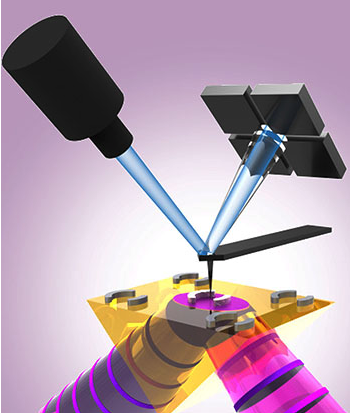 Researchers from the NIST Center for Nanoscale Science and Technology (CNST) and the University of Maryland have used photothermal induced resonance (PTIR) to characterize individual plasmonic nanomaterials in order to obtain absorption maps and the first examples of absorption spectra with nanometer-scale resolution. Nanostructuring of plasmonic materials enables engineering of their resonant optical response and creates new opportunities for applications that benefit from...
 The National Institutes of Health (NIH) announced its first research grants through President Barack Obama's BRAIN Initiative, including three awards to the University of California, Berkeley, totaling nearly $7.5 million over three years. In addition, a $12 million public-private collaboration between ZEISS and UC Berkeley to support the Berkeley Brain Microscopy Innovation Center (BrainMIC) was made public. The US Brain initiative is focused on advancing tool development in...
 HCMV, a member of the herpes family of viruses, can have serious health consequences for those with weak immune systems, and a “devastating impact” on pregnant women and their babies if infected. The grant is a prestigious Product Development Award under the National Institute for Health Research Invention for Innovation (NIHR i4i) scheme to Dr Vincent Teng of Swansea University’s College of Engineering, Dr Richard Stanton of the Institute of Infection and Immunity at Cardiff University’s School of Medicine, and the Wales Specialist Virology Centre...
 This method uses on-line solid-phase extraction (SPE) for sample preparation instead of the commonly used off-line SPE method. Application Note 1093: Determination of Benzo(a)pyrene in Sausage and Preserved Ham demonstrates that this approach reduces costs associated with the SPE cartridge, labor, time, and reagents; and results are more consistent because the cleanup step is performed by automated on-line SPE rather than...
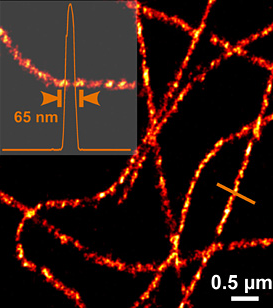 All three underscored the value of microscopy in research with their discovery of methods to achieve superresolution. The limit of optical resolution calculated by Ernst Abbe, company founder Carl Zeiss's partner, in the 19th century has been considerably improved through the use of modern technologies. Today, photo-activated localization microscopy (PALM) enables scientists to view processes in living cells and tissues down to the molecular level – in other words, with resolution in...
 Bacteria are now making antibiotics ineffective. Surgery as we know it today will become impossible – new hips, knees, organ transplantation and many cancer treatments will become high risk. To tackle this impending medical catastrophe a new national charity ‘Antibiotic Research UK– developing new antibiotics’ (acronym ANTRUK ) has been formed by a group of scientific experts from 14 of the country’s top universities and...
 In order to achieve the critical goal of scaling up production without compromising performance, Epitopix recently made the decision to invest in flow measurement technology that could be incorporated seamlessly into the vaccine manufacturing process. The basis for many of the vaccines manufactured by Epitopix is a patented process known as SRP® (Siderophore Receptor and Porin) Technology. The process begins with...
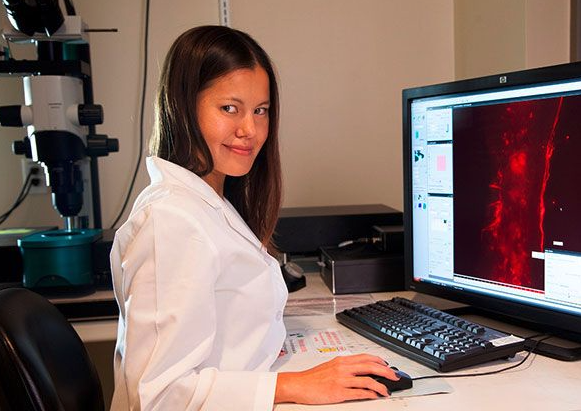 In 2003, Professor Vance Lemmon accepted a position at The Miami Project to Cure Paralysis at the University of Miami. This centre has taken the philosophy that by promoting interactions between basic and clinical scientists, it will be possible to speed the finding of a cure for a devastating clinical problem. This research has focused on answering questions that help define human spinal cord injury and reveal strategies for the repair of damaged spinal tissue...
  Beckman Coulter's Biomek NXp Workstation allows for reduced technician time and an improved workflow using automated sample preparation for analysis of Vitamin D levels by Mass Spectrometry. With already developed methods and applications support, you can track sample information from preparation to final MS data. Most importantly, you get the hands-off approach you need to produce precise, consistent results that help you achieve your goals...
 Biognosys AG, a Swiss Proteomics Company, announced today the new release of its Spectronaut™ software for analysis of Hyper Reaction Monitoring (HRM) data that will now support spectral library generation from the Thermo Scientific™ Proteome Discoverer™ platform. From August 2013 Spectronaut™ software supports the analysis of DIA data generated on the Thermo Scientific™ Q Exactive™ Hybrid Quadrupole-Orbitrap Mass Spectrometer....
 The CE-IVD marked solution covers the identification and characterisation of all types of variants in a single NGS experiment with clinical grade analytical performance. Until now, it has not been possible to simultaneously analyse all relevant CFTR variants in a one-step NGS experiment. But Sophia Genetics has made two major breakthroughs, which enable the Sophia Data Driven Medicine (DDM) platform to identify and characterise all types of...
 The program is the first in the world in which students will study the technology involved in creating tissue, including 3D bioprinting. Students will spend one year at a partner university and will have the opportunity to obtain a double degree. The human body is not capable of replacing complete organs. However, thanks to the emerging regenerative medicine, we can help the body to repair organs and replace lost tissue. Biofabrication combines...
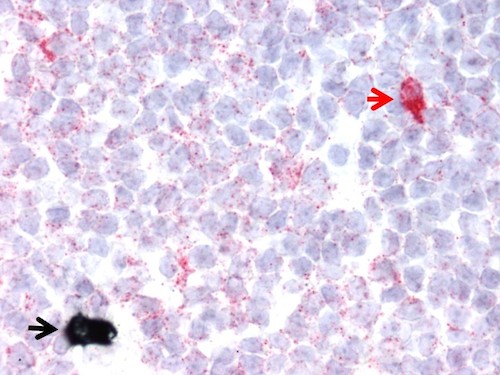 ACD and its academic partner Cleveland Clinic will use the grant to develop and validate a diagnostic test based on ACD’s proprietary RNAscope® technology for discriminating various B-cell non-Hodgkin lymphomas (NHLs) from benign lymphoproliferative diseases. “This award is a further validation of the clinical utility of RNAscope technology. We are very pleased that NCI has recognized the diagnostic potential of...
 BTV is spread to cattle, sheep and some other wild ruminants by a type of midge, which is a biting insect. Infected animals experience a range of symptoms, which are fatal in some cases. There are also indirect impacts including weight loss and reduced milk production. Previous prevention measures have included the culling of animals along with the use of inactivated vaccines...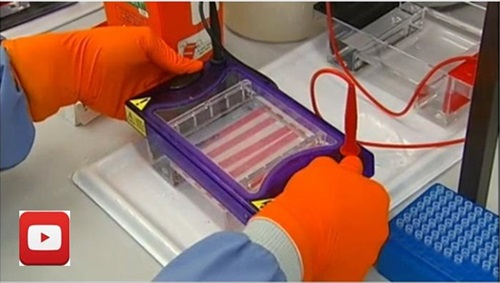
 Jacqueline Leung, a graduate student in the Cellular, Molecular and Biosciences (CMB) Program at the University of Vermont won for her publication, “Identification of T. gondii Myosin Light Chain-1 as a Direct Target of TachypleginA-2, a Small-Molecule Inhibitor of Parasite Motility and Invasion.”1 Norman R. Alpert was Professor and Chair of the Department of Molecular Physiology and Biophysics at the University of Vermont from...
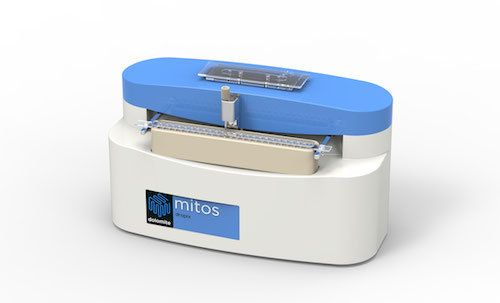 The Productizing Science Competition, jointly organized by Dolomite and Lab on a Chip, opens on the 1st of October 2014, aiming to bridge the gap between scientific innovation and commercial success by turning early stage technologies into market-leading products. This exciting competition offers the opportunity to take advantage of Dolomite’s invaluable commercial expertise and in-depth understanding of the international microfluidics market to...
 Ubiquigent Limited, a company specialising in ubiquitin cell-signalling system drug discovery capabilities and services, and the Drug Discovery Unit (the DDU) of the University of Dundee, announced today they have entered into a collaboration agreement to develop and market new ubiquitin system targeted compound libraries aimed at discovering potent and selective therapeutics across multiple areas including; cancer, cardiovascular and metabolic...
 nLife Therapeutics, an early-stage biopharmaceutical company leading developments in nOligos (neuronal specific oligonucleotides) as therapeutic agents for CNS disorders, today announces that The Michael J. Fox Foundation for Parkinson’s Research (MJFF) has awarded the company a grant of USD 350,000 (EUR 271,000). nLife will conduct a research study entitled: “Pharmacokinetic and Pharmacodynamic characterization of a...
 The four application notes cover 'Synthesis of Artemisinin using E-Seriesand UV-150 reactor' (Application Note 39), 'α-Photodecarboxylation of Phthaloyl Glycine' (38), 'Photochemical Transformation of Methyl Coumalate' (37) and '[2+2] Photocycloaddtion of Maleimide and 1-Hexyne' (36) and are available to download in full from the Vapourtec website. Vapourtec MD and founder Duncan Guthrie explained: "Taken together these...