Anasys Instruments reports on EPFL's publication in Plant Cell on the use of nanoIR to look into the process of photosynthesis to shed more light on how plants produce energy
École Polytechnique Federale de Lausanne, better known as EPFL, has recently reported on how a group of its scientists have used powerful imaging techniques including nanoIR to support a study which sheds light on photosynthesis. All plants use a form of photosynthesis to produce energy, though not all rely exclusively on it. In higher plants, capturing light takes place in specialized compartments called thylakoids. These are found in cell organelles called chloroplasts, which are the equivalent of a power station for the plant....
The telescope door of NASA’s Interface Region Imaging Spectrograph (IRIS) equipped with HORIBA Jobin Yvon diffraction gratings was opened on July 17, 2013.
The IRIS spectrograph has begun to observe with unprecedented detail the lowest parts of the sun's atmosphere, known as the interface region. “The quality of images and spectra we are receiving from IRIS is amazing.” said Dr. Alan Title, IRIS principal investigator. IRIS data will allow scientists to study and better understand the energy transport on the sun. The diffraction gratings for the IRIS spectrograph have been produced by HORIBA Jobin Yvon S.A.S.Longjumeau – France...
Cerno Bioscience has today announced a new version of its flagship MassWorks software product.
More than any previous improvements and enhancements, the new Version 4 adds DirectRead™ data support for three high resolution MS systems: Thermo Orbitrap or FT ICR MS, Agilent TOF, and Waters TOF, while expanding unit mass resolution direct support to Agilent MassHunter and Advion CMS. For the first time, MassWorks now enables elemental composition determination in the absence of an observable monoisotope peak or in the presence of larger-than-usual mass errors. In addition, a fully automated calibration feature, AutoCal™, is now available for out-of-box accurate mass analysis with GC/MS...
Lab Innovations - the UK’s only show dedicated to the latest laboratory technology & consumables, analytical & biotech equipment – which took place last week at the NEC, Birmingham, was a huge success.
Official figures show that the event which took place on 6 & 7 November, was 74% bigger with 110 exhibiting companies and an increased attendance by 33%. These attendees - lab managers, researchers and lab professionals - said the show really plugged a gap in the market. Indeed according to independent research, 86% of visitors reported that they were looking for new suppliers and products, 96% said the show met their objectives and 90% reported they would recommend the show to a colleague...
Read MoreBIO-Europe 2013 breaks all previous records for attendance and partneringNov 21, 2013
Key European Biotech Partnering Conference Opens In Vienna, LISAvienna is organising the largest exhibition to date of domestic life sciences
The most important event on the annual calendar of the European biotech industry opens today in Vienna: BIO-Europe 2013. The largest European biotech partnering conference is taking place this year with LISAvienna as the local organiser. More than 1,800 companies will be represented, making this a record-breaking year for participation. In addition to the 116 Austrian companies, 81 of which are based in Vienna, this year marks the first time that academic institutions will have the opportunity to present their research findings. Fittingly, there will be numerous panel discussions that focus on technology transfer and translational research...
Researchers from Faculty of Health and Medical Sciences, University of Copenhagen, have characterized a genetic aberration on a group of colorectal cancer patients.
The discovery gives hope for a new and efficient treatment of colorectal cancer, which is a frequent and often fatal disease. The research was recently published in Scandinavian Journal of Gastroenterology. “Our new research shows, that we might be able to introduce a treatment faster and cheaper than usual in the development of cancer treatment, and we estimate that it will be efficient in around 10 per cent of patients with colorectal cancer," says MD and PhD student Sune Nygård, Department of Veterinary Disease Biology, University of Copenhagen...
Unique technology for virus screening in a single comprehensive assay to overcome the current limitations with predefined sets of known viruses
Covance Inc. (NYSE: CVD), one of the world's largest and most comprehensive drug development companies, and PathoQuest, a pioneer in the field of pathogen detection, today announce an exclusive agreement to collaborate in providing Next-Generation Sequencing (NGS) based biosafety assessments. This innovative biosafety testing approach, combined with Covance’s regulatory expertise, provides a flexible testing solution to all biotherapeutic clients and makes biologic medicines safer....
Banook Central Imaging selected by Servier to provide innovative image analysis services based on a combination of RECIST, IrRC and TGR criteria
Banook Central Imaging (Banook CI), a global imaging core lab for drug and device clinical trials, announces today that it has been selected by Servier to assess the potential anti-tumor activity of a novel monoclonal antibody based on the RECIST 1.1 (Response Evaluation Criteria in Solid Tumors) and Immune-Related Response criteria (IrRC)....
Presented by Dr Elad Katz, a senior scientist at AMSBIO, a new on-demand webinar explores the potential of 3D cell-based models for regenerative medicine and drug discovery.
Two-dimensional (2D) cell cultures have provided a number of breakthroughs for understanding human tissues and diseases, as well as for discovering and testing new drugs. However, 2D cell cultures have limitations, such as limited cell-cell and cell-matrix contacts, flat cellular morphologies and a lack of realistic mass transfer gradients. As a result, technologies that facilitate growing cells in three-dimensional (3D) configurations have been developed to make cellular behaviors in vitro better resemble the body...
A living cell is built with barriers to keep things out – and researchers are constantly trying to find ways to smuggle molecules in. ?
Professor Giovanni Maglia (Biochemistry, Molecular and Structural Biology, KU Leuven) and his team have engineered a biological nanopore that acts as a selective revolving door through a cell’s lipid membrane. The nanopore could potentially be used in gene therapy and targeted drug delivery. All living cells are enclosed by a lipid membrane that separates the interior of the cell from the outside environment....
International scientists exchange ideas on developing this technology
Over forty international scientists gathered for the 5th Annual Light Sheet Fluorescence Microscopy Workshop in September in Thornwood, New York. The meeting was held at the U.S. headquarters of Carl Zeiss Microscopy, LLC. Researchers presented data and shared ideas regarding instrument development, standards, applications and specific applications of light sheet fluorescence microscopy (LSFM) and related technologies to various biological model organisms such as zebrafish, drosophila, mouse and others...
New Webinar on Oncology Applications of RAFT 3D Cell Culture UCL and TAP Biosystems’ Experts Discuss 3D Cell Culture for Effective Cancer Targeting
TAP Biosystems, a leading supplier of innovative cell culture systems and consumables for life science applications, today announced that it will be running a new webinar on Wednesday November 6th, offering free access to scientific presentations on the benefits of using its innovative RAFT™ 3D collagen-based cell culture technology in oncology research. Two 3D cell culture experts....
A refreshingly modern and inviting operating environment led independent, commercial materials testing laboratory NSL Analytical Services (Cleveland, US), straight to the Mastersizer 3000 from Malvern Instruments when it came to choosing a laser diffraction particle size analyzer to extend testing capabilities.
“The software really is the shining star of this product,” said Brian Bacher, Technical Specialist at NSL. “It makes the Mastersizer 3000 feel radically different from other systems on the market and a really great instrument to use. I especially like the live trends which make it so quick and easy to compare data sets,” he continued. NSL provides physical material testing to multiple verticals including the aerospace, ceramics and powder metallurgy industries...
Sygnature Discovery, a leading provider of integrated drug discovery services, and Proteros, the most experienced and largest biotechnology company in the field of X-ray protein structure analysis, today announced they have entered into a strategic alliance.
Under the terms of the agreement, Sygnature and Proteros will collaborate to provide integrated services to advance clients’ drug discovery projects. This new alliance adds an integral component to Sygnature’s ‘federated’ CRO Model, which provides fully-integrated drug discovery services to the pharmaceutical industry....
Until 15 January 2014, young researchers working in Europe, who are not older than 35 years, are invited to apply for the Eppendorf Award for Young European Investigators.
This highly prestigious prize was first established in 1995. It acknowledges outstanding contributions to biomedical research in Europe based on methods of molecular biology, including novel analytical concepts. The winner is selected by an independent expert committee chaired by Reinhard Jahn (Max Planck Institute for Biophysical Chemistry, Göttingen, Germany). The award winner 2014 will receive: Prize money of 15,000 Euro. An invitation to the prize ceremony at the EMBL Advanced Training Centre in Heidelberg, Germany, on 22 May 2014..
AACC is pleased to announce that the AACC Annual Meeting & Clinical Lab Expo won the 2013 Trade Show News Network (TSNN) award for having the fastest growing attendance of all nonprofit trade shows.
The AACC Annual Meeting is also known for being the world's largest diagnostics conference and expo.This weekend's 4th Annual TSNN Awards: Celebrating Trade Show Excellence in Reno, Nev., recognized four medical trade shows in all for topping the list of the 25 nonprofit shows that experienced the fastest increase in attendance from 2010–2012....
Starving cancer cells of a key amino acid slows down their ability to grow and multiply, according to new research from Queen Mary University of London, announced today at the World Conference on Lung Cancer.
Scientists researching one of Britain’s deadliest rare cancers, mesothelioma, at Queen Mary’s Barts Cancer Institute studied how cancer cells are not able to survive and continue growing when starved of the amino acid ‘arginine’. Cells are normally able to make arginine themselves, but research found around half of tumours lacked this ability and need to be fed arginine in order to survive, leaving it vulnerable to starvation....
ModiQuest Research BV, the Dutch antibody generation services company, today announced that it has expanded its research collaboration with Dako – an Agilent Technologies company.
After the successful generation of monoclonal antibodies by ModiQuest against a proprietary target selected by Dako earlier this year, both parties have extended their collaboration with three additional targets for monoclonal antibody generation by ModiQuest. During the collaboration, ModiQuest will make use of its proprietary hybridoma-electrofusion technology (ModiFuseTM)....
Developed within the context of the RHENEPI consortium, this computer simulator opens up new possibilities for research into new treatments for epilepsy and identification of the convulsion risks associated with candidate drugs or environmental factors
Rhenovia Pharma, a leading biotech company specialized in biosimulation applied to the discovery of new medications, announces today that it has developed the first computer simulator for the biological mechanisms of epilepsy, validated by laboratory experiments. The simulator has been developed within the framework of RHENEPI, a consortium initiated and led by Rhenovia Pharma under the French government's ’Fonds Unique Interministeriel’ ....
Synexus has today opened a regional office for Eastern Europe in Wroclaw, Poland. The investment reflects Synexus’ continued commitment to the region and has been created to service the important role that clients see for Eastern Europe in terms of global clinical trials.
The new 3,000 square foot office located in the Sky Tower, in one of the city’s most prestigious business districts, will house a strong regional team with experience in delivering clinical trials for Synexus clients. The extra space will allow Synexus to further strengthen this team that has over a decade of experience in Eastern Europe....
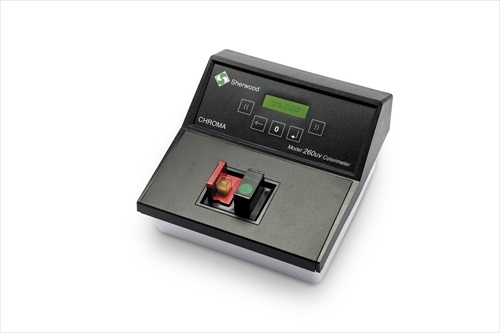
Sherwood Scientific exhibits solution for enzyme-based diagnostic testing in remote locations
Sherwood Scientific Ltd will exhibit the CHROMA Model 260uv Programmable Colorimeter for the first time at MEDICA 2013 (20 - 23 November 2013, Düsseldorf Fairgrounds, Germany). The instrument allows users to conduct enzyme-based tests in challenging and remote locations without access to a laboratory. Also on display at MEDICA will be Sherwood Scientific’s magnetic susceptibility balance and the model 926S Chloride analyser, both valuable and established tools in clinical applications. The Model 260uv Programmable Colorimeter’s ability to operate in the near UV region makes it ideal for enzyme-based clinical diagnostic tests...
Fast and accurate screening for mutations identified in acute myeloid lymphoma using the xGen® Acute Myeloid Lymphoma Panel v1.0
Integrated DNA Technologies (IDT), the world leader in oligonucleotide synthesis, is enabling cancer research with its latest next generation sequencing (NGS) product, the xGen® Acute Myeloid Leukemia Cancer Panel v1.0. Consisting of 11,743 xGen Lockdown® Probes, this cancer panel targets over 260 clinically relevant genes that were found to be mutated in a study of 200 patients with acute myeloid leukemia (AML), and published by The Cancer Genome Atlas consortium. The AML Cancer Panel is used for enriching the genome for regions of interest before performing NGS. It can, therefore, be used to study disease occurrence and progression, and help with the development of better targeted therapies...

 École Polytechnique Federale de Lausanne, better known as EPFL, has recently reported on how a group of its scientists have used powerful imaging techniques including nanoIR to support a study which sheds light on photosynthesis. All plants use a form of photosynthesis to produce energy, though not all rely exclusively on it. In higher plants, capturing light takes place in specialized compartments called thylakoids. These are found in cell organelles called chloroplasts, which are the equivalent of a power station for the plant....
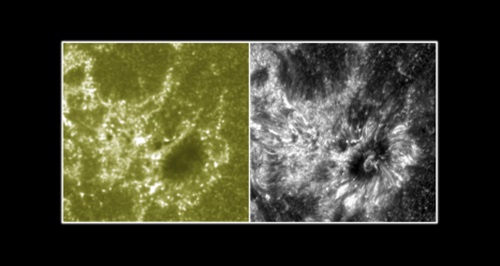 The IRIS spectrograph has begun to observe with unprecedented detail the lowest parts of the sun's atmosphere, known as the interface region. “The quality of images and spectra we are receiving from IRIS is amazing.” said Dr. Alan Title, IRIS principal investigator. IRIS data will allow scientists to study and better understand the energy transport on the sun. The diffraction gratings for the IRIS spectrograph have been produced by HORIBA Jobin Yvon S.A.S.Longjumeau – France...
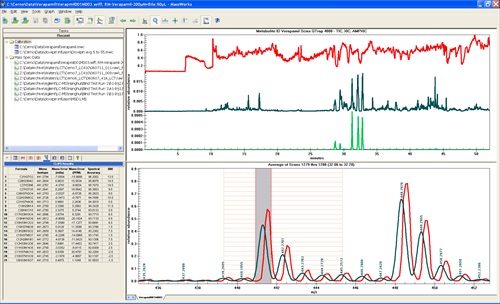 More than any previous improvements and enhancements, the new Version 4 adds DirectRead™ data support for three high resolution MS systems: Thermo Orbitrap or FT ICR MS, Agilent TOF, and Waters TOF, while expanding unit mass resolution direct support to Agilent MassHunter and Advion CMS. For the first time, MassWorks now enables elemental composition determination in the absence of an observable monoisotope peak or in the presence of larger-than-usual mass errors. In addition, a fully automated calibration feature, AutoCal™, is now available for out-of-box accurate mass analysis with GC/MS...
 The most important event on the annual calendar of the European biotech industry opens today in Vienna: BIO-Europe 2013. The largest European biotech partnering conference is taking place this year with LISAvienna as the local organiser. More than 1,800 companies will be represented, making this a record-breaking year for participation. In addition to the 116 Austrian companies, 81 of which are based in Vienna, this year marks the first time that academic institutions will have the opportunity to present their research findings. Fittingly, there will be numerous panel discussions that focus on technology transfer and translational research...

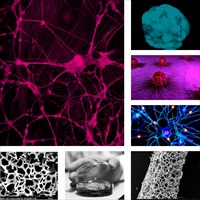
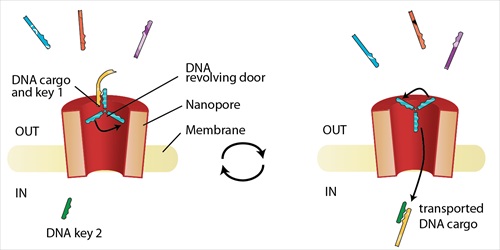 Professor Giovanni Maglia (Biochemistry, Molecular and Structural Biology, KU Leuven) and his team have engineered a biological nanopore that acts as a selective revolving door through a cell’s lipid membrane. The nanopore could potentially be used in gene therapy and targeted drug delivery. All living cells are enclosed by a lipid membrane that separates the interior of the cell from the outside environment....
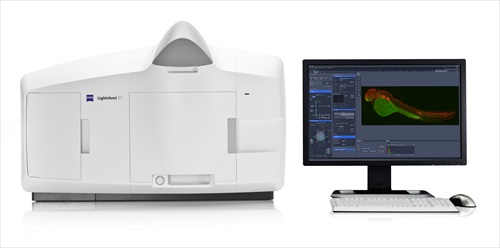 Over forty international scientists gathered for the 5th Annual Light Sheet Fluorescence Microscopy Workshop in September in Thornwood, New York. The meeting was held at the U.S. headquarters of Carl Zeiss Microscopy, LLC. Researchers presented data and shared ideas regarding instrument development, standards, applications and specific applications of light sheet fluorescence microscopy (LSFM) and related technologies to various biological model organisms such as zebrafish, drosophila, mouse and others...

 The AACC Annual Meeting is also known for being the world's largest diagnostics conference and expo.This weekend's 4th Annual TSNN Awards: Celebrating Trade Show Excellence in Reno, Nev., recognized four medical trade shows in all for topping the list of the 25 nonprofit shows that experienced the fastest increase in attendance from 2010–2012....

 Rhenovia Pharma, a leading biotech company specialized in biosimulation applied to the discovery of new medications, announces today that it has developed the first computer simulator for the biological mechanisms of epilepsy, validated by laboratory experiments. The simulator has been developed within the framework of RHENEPI, a consortium initiated and led by Rhenovia Pharma under the French government's ’Fonds Unique Interministeriel’ ....
 The new 3,000 square foot office located in the Sky Tower, in one of the city’s most prestigious business districts, will house a strong regional team with experience in delivering clinical trials for Synexus clients. The extra space will allow Synexus to further strengthen this team that has over a decade of experience in Eastern Europe....