It is also common knowledge that pipetting regularly increases the risk of developing Repetitive Strain Injuries. By applying Good Pipetting Practice in your lab you can help to prevent these risks.
One way to help reduce the repetition of pipetting is to simply take frequent breaks every 20 or 30 minutes to stretch your shoulders, arms and hands. Especially if you spend your coffee and lunch breaks texting on your phone – your thumbs will never get a break! To help you with your daily stretches Anachem are offering you this easy & quick routine for your hands, arms, and shoulders. It's been put together by stretching authority Bob Anderson and by combining it with Anachem's Good Pipetting Posture poster...
Market leaders in temperature controlled microscopy, Linkam Scientific Instruments report on the use of their popular THMS600 stage for polymer research at the Institute of Chemistry and Technology of Polymers (CNR), Italy.
A group of scientists from the CNR is investigating the melting kinetics of poly(3-hydroxybutyrate) (PHB), a natural thermoplastic polymer with mechanical properties comparable to synthetic polymers. PHB is now the focus of scientific interest as it has commercial potential as a fully biodegradable and biocompatible product. Potential uses include environmentally friendly packaging and films, pharmaceutical drug administration, and biocompatible resorbable medical implants. Small batches of PHB have been produced since 1925 by bacterial fermentation, but until now there is no large scale commercial production because it is more expensive than commonly used polymers...
Oxford Gene Technology (OGT), provider of innovative genetics research and biomarker solutions to advance molecular medicine, has produced a new, free-to-download application note on combined array comparative genomic hybridisation (aCGH) and single nucleotide polymorphism (SNP) arrays.
The application note, titled ‘Detecting copy number variants and runs of homozygosity on a single array — challenges and applications’ aims to support researchers in navigating this combined approach for the simultaneous detection of copy number variations (CNVs) and runs of homozygosity (ROH). aCGH has established itself as the “gold-standard” platform for array-based CNV detection. Recent advances have enabled the combination of aCGH probes for CNV detection with probes able to detect SNPs...
Home Office figures reveal massive 8% rise in the use of animals in scientific research
Home Office figures released today showing an 8% rise in the number of procedures conducted using animals in scientific research in 2012 make for ‘immensely distressing and upsetting news’, according to the Dr Hadwen Trust for Humane Research (DHT). In 2012, over 4.1 million procedures were carried out using 4 million animals such as mice, cats, dogs, birds and horses. This is an increase of over 317,000 procedures from 2011...
Link Technologies’ solid-supported Cyanine 540 and 650 dyes increase workflow efficiency
Link Technologies Ltd, an ISO 9001:2008 certified specialist oligonucleotide reagent manufacturer, has launched a range of high quality cyanine dye products to support the continued increase in demand for fluorescent labelling in biological imaging and molecular diagnostics. As well as introducing a new range of 3’-CPG solid supports modified with Cyanine 540 and Cyanine 650, Link Technologies now also manufactures and supplies the commonly used phosphoramidites, so researchers can now source an extended range of cyanine reagents produced to Link Technologies’ exacting standards...
New website designed as an easy point of reference for Stomacher® applications and protocols
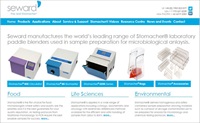
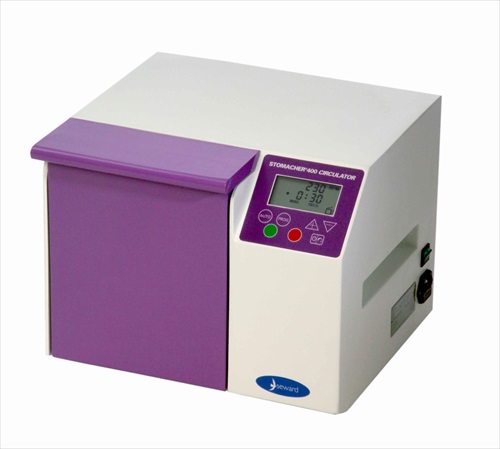
Seward Limited, founding manufacturer and developer of the world leading, patented Stomacher® Laboratory Paddle Blender range, has launched a new, fully refreshed website. This is designed as a readily accessible point of reference for customers seeking assistance in sample preparation for microbiological analysis in the food, life science and environmental sectors. New to the Seward website includes a Resource Centre to help visitors identify how the Stomacher® may be used. In addition, user guides and technical data are available for download, with useful videos demonstrating various routine protocols...
Merck Millipore, the Life Science division of Merck, and Plasticell of London, UK, today announced the availability of OsteoMAX-XF™, the first fully defined, xeno-free human mesenchymal stem cell differentiation medium for the differentiation of mesenchymal stem cells into osteocytes.
Enables rapid differentiation of fully functional human bone tissue from MSCs. More consistent and potent than currently available formulations. Accelerates time to mineralization to less than one week compared to the typical three weeks. Mineralization can be detected in less than one week, whereas competing products that contain serum require approximately 21 days to produce similar levels of bone formation...
Read MoreSeward Stomacher contributes to environmental Listeria contamination studyJul 25, 2013
‘Free Range’ Listeria processed by Stomacher 400 Circulator
Seward Limited,manufacturer and developer of the world leading, patented Stomacher® Laboratory Paddle Blender range, has announced that its Stomacher 400 Circulator has been used in a recent study1 to evaluate environmental contamination by Listeria species. The increased interest in animal welfare and free range methods, such as pasture reared poultry, has made it important that there is a greater understanding of the ecology and epidemiology of Listeria in these systems...
HORIBA UK Ltd, Medical Division’son-going partnership with Spire Healthcare, the UK’s second largest group of private hospitals, continues to go from strength to strength, as demonstrated by a new case study.
It highlights last summer’s London 2012 Olympic and Paralympic Games, during which, an ABX Pentra 80 haematology analyser was used within the Olympic Village Polyclinic by Spire who managed the on-site pathology services. These provided 24-hour healthcare support to an extremely diverse temporary community the size of a large town! The new case study outlining how HORIBA UK and Spire Healthcare supported the Olympic and Paralympic Games. Since the London 2012 Olympics were heralded as one of the most sustainable, Spire was required to reflect this ethos when setting-up its laboratory and to not purchase new equipment when kitting it out...
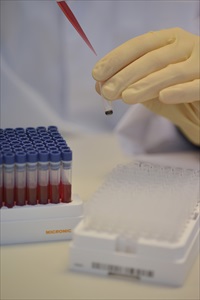
Biobank Uppsala, a leading Scandinavian biobank, has reported on its use of 2D-coded sample storage tubes, racks and caps from Micronic to provide traceable, high integrity storage of blood fraction samples (mainly serum and plasma).
Uppsala Biobank began its operations in September 2008 and is a collaboration between Uppsala County Council, as represented by Uppsala University Hospital, and Uppsala University (Faculty of Medicine). Uppsala Biobank was founded to provide an organised central collection of samples that are gathered, stored and registered for the purpose of being conserved for scientific studies, treatment, and investigations...
Thermo Fisher Scientific has developed an accurate and reproducible high-performance liquid chromatography (HPLC) method for the single-injection determination of tolterodine and tartrate—the active pharmaceutical ingredient (API) and its counterion—in an encapsulated drug product containing tolterodine tartrate.
Application Note 1047: Simultaneous Determination of Tartaric Acid and Tolterodine in Tolterodine Tartrate demonstrates that this method requires only 13 minutes per analysis. This new approach uses a trimode silica-based column and a detector that is ideal for the determination of counterions, many of which lack a chromophore. Pharmaceutical companies must ensure that a drug product contains the appropriate amount of its API. This is typically validated with an HPLC-based assay...
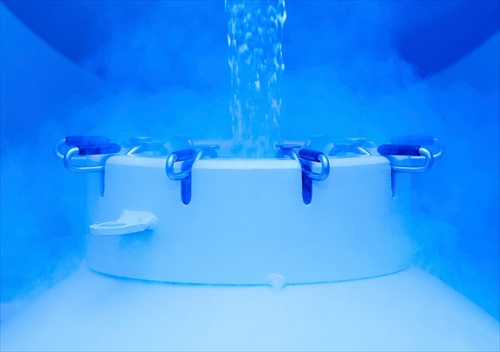
STEM CELLBANKER® from AMSBIO is a chemically defined freezing medium with optimised formulation for stem cells and iPS cells storage as well as other valuable cells.
In a recent study to determine the best cryopreservation solution to maintain induced pluripotent stem (iPS) cells, a team of researchers from the Okayama University Graduate School of Medicine (Japan) compared 12 kinds of commercially prepared cryopreservation solutions and found that STEM CELLBANKER** outperformed the other 11 solutions. The researchers concluded that STEM CELLBANKER** showed the highest cell viability and proliferation of all the solutions tested and can be widely used as it does not require any special skills to use...
Dr Andrzej Kulik is a research associate in the Laboratory of the Physics of Living Matter at the EPFL in Switzerland.
Under the leadership of Professor Giovanni Dietler, the research activity of the laboratory of physics of living matter is mainly devoted to the study of DNA topology, cellular machines, protein mechanics and high-resolution low temperature Atomic Force Microscopy (AFM). Through internal and external collaborations, a certain number of other research activities are carried out in particular on knots hydrodynamics, DNA gel electrophoresis, cell elasticity, cell motility, etc. Kulik and his colleagues are measuring the mechanical properties of proteins, cells and tissues. To date, AFM has been the main tool but is now complemented with the arrival of a nanoIR™ AFM-IR system from Anasys...
Thermo Fisher Scientific has developed a new GC-MS method for the analysis of semi-volatile organic compounds (SVOCs) in accordance with U S. EPA Method 8270 using hydrogen carrier gas.
Key modifications to both GC and MS hardware and methods are necessary for successfully switching to hydrogen. Fast GC-MS Analysis of Semi-Volatile Organic Compounds: Migrating from Helium to Hydrogen as a Carrier Gas in US EPA Method 8270, featuresthe Thermo Scientific™ TRACE™ 1310 GC coupled to a Thermo Scientific™ ISQ™ single quadrupole mass spectrometer using hydrogen as a carrier gas. The final, optimized EPA Method 8270 is fully migrated to hydrogen carrier gas with improved peak shape, resolution, and run time...
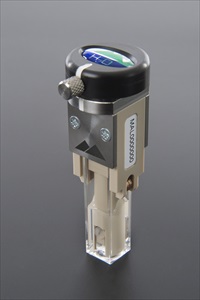
A series of new application notes posted on the Malvern Instruments website describes the quick and easy measurement of surface zeta potential using the zeta potential planar cell for the Zetasizer Nano particle characterization system.
Widely used as an indicator of the stability of particle suspensions and colloidal samples, surface zeta potential is traditionally measured using the specialist technique of streaming potential. Malvern’s Surface Zeta Potential Cell eliminates the need for a dedicated solution, allowing users to measure the zeta potential of surfaces in an aqueous medium on a standard instrument. The application note ‘Determination of the zeta potential of the surface of PTFE’, and others relating to different aspects of the measurement, can now be downloaded from Malvern’s online knowledge center...
NanoSight reports on how Nanoparticle Tracking Analysis, NTA, is being implemented for the further characterization of natural colloids (inorganic and organic) at the Institute of Water Resources and Water Supply at the Technical University Hamburg-Harburg in Germany.
Inorganic and organic colloids are widespread in aquatic systems, where they influence many water quality treatment processes. Until recently there was a lack of an adequate analysis technique to measure the size fraction below 1000 nm. The research group of Professor Mathias Ernst of the Institute of Water Resources and Water Supply at the Technical University Hamburg-Harburg has adopted the use of NanoSight's NTA technique to provide new insights into water quality...
Malvern Instruments has published ‘Static Light Scattering Technologies For GPC/SEC Explained’, a valuable guide for anyone assessing the value of a light scattering detector for gel permeation/size exclusion chromatography (GPC/SEC).
JPK Instruments, a world-leading manufacturer of nanoanalytic instrumentation for research in life sciences and soft matter, report on the success of the fifth international symposium on the applications of optical tweezers and related technologies in the life sciences.
Held in Berlin, over 60 delegates enjoyed excellent presentations for an international group of speakers. This year's symposium was held on the 18th June in Berlin at the excellent Palisa De/Umspannwerk Ost. A sweltering Berlin welcomed over sixty scientists from around the world to discuss their results and share scientific knowledge in a relaxed and informal atmosphere. NanoBioVIEWS™ is the name of a series of international meetings initiated by JPK Instruments to further the scientific knowledge exchange on instrumentation and applications of nanotechnology in the life sciences...
New research, published today in The Lancet, highlights important information for health professionals and parents about the factors which may increase the likelihood of a baby being born with a birth defect.
The findings, from researchers at the Universities of Bradford and Leeds, funded by the National Institute for Health Research (NIHR), confirm that the two main factors associated with an increased risk of babies being born with a birth defect are being born to an older mother or to parents who are blood relations. In addition, the research team was also able to confirm that socio-economic status (levels of deprivation) had no effect on the relative risk of birth defects, despite two-thirds of the mothers participating in the study coming from the most deprived fifth of the British population...
Greenphire, the industry-leading provider of payment technologies for the clinical trials industry, today announced a relationship with Oracle Health Sciences.
Oracle and Greenphire are integrating their respective product suites to enable their clients to streamline and automate processes from trial planning and budgeting, all the way through data capture to executing payments to clinical sites and patients, while providing real-time, strategically valuable reporting and analytics. The first initiative will be the integration of Greenphire’s global payment platform, eClinicalGPS, with Oracle’s electronic data capture (EDC) solutions, Oracle Health Sciences InForm and Oracle Remote Data Capture (RDC)...
At Field Based Chemistry Europe, Dr Tim Cheeseright presented a pre-release of Cresset’s new Activity Miner module. The groundbreaking new science in Activity Miner helps researchers optimize their leads by identifying the key 3D structural and electrostatic changes that impact molecular activity.
Activity Miner explores the structure activity landscape of a set of molecules. For each pair of molecules, the difference between them in electrostatics, shape and structure is compared to the difference in activity. A small change in structure or electrostatics that results in a large change in activity is known as an activity cliff. Conversely, large structural changes resulting in little or no change in activity indicate bioisosteres. In each case, the comparison indicates an area of interest that merits further research...
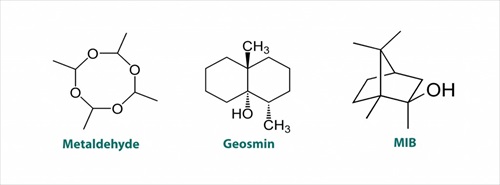
Kinesis has published a new Application Note: Extraction of Metaldehyde, Geosmin and 2-Methylisoborneol from Water
The latest TELOS® SPE Application Note from Kinesis highlights the extraction of Metaldehyde, Geosmin and 2-Methylisoborneol from Water. Metaldehyde is a molluscicide whose use has markedly increased in recent years as a result of changing agricultural practices. Geosmin and 2-methylisoborneol (MIB) are naturally occurring alicyclic alcohols which possess potent earthy/musty taste and odour tainting properties. They can occur in raw and potable waters as metabolites derived from various micro-organisms...

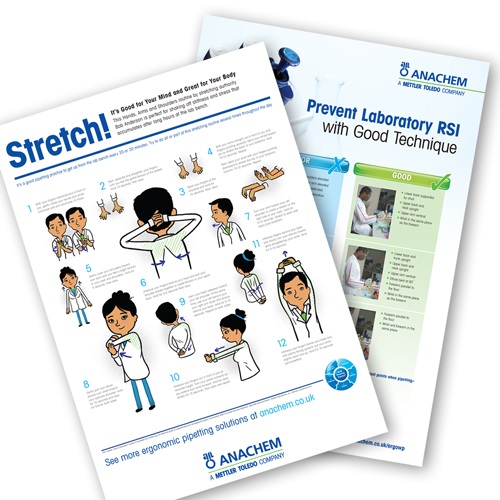 One way to help reduce the repetition of pipetting is to simply take frequent breaks every 20 or 30 minutes to stretch your shoulders, arms and hands. Especially if you spend your coffee and lunch breaks texting on your phone – your thumbs will never get a break! To help you with your daily stretches Anachem are offering you this easy & quick routine for your hands, arms, and shoulders. It's been put together by stretching authority Bob Anderson and by combining it with Anachem's Good Pipetting Posture poster...
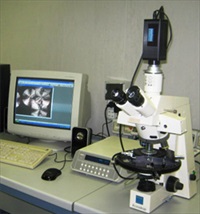 A group of scientists from the CNR is investigating the melting kinetics of poly(3-hydroxybutyrate) (PHB), a natural thermoplastic polymer with mechanical properties comparable to synthetic polymers. PHB is now the focus of scientific interest as it has commercial potential as a fully biodegradable and biocompatible product. Potential uses include environmentally friendly packaging and films, pharmaceutical drug administration, and biocompatible resorbable medical implants. Small batches of PHB have been produced since 1925 by bacterial fermentation, but until now there is no large scale commercial production because it is more expensive than commonly used polymers...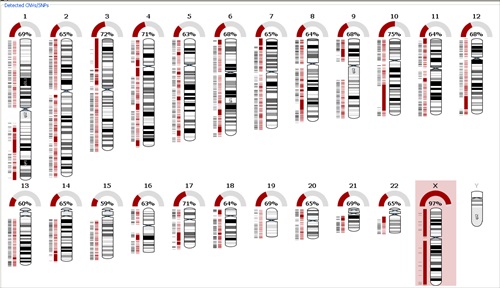
 Home Office figures released today showing an 8% rise in the number of procedures conducted using animals in scientific research in 2012 make for ‘immensely distressing and upsetting news’, according to the Dr Hadwen Trust for Humane Research (DHT). In 2012, over 4.1 million procedures were carried out using 4 million animals such as mice, cats, dogs, birds and horses. This is an increase of over 317,000 procedures from 2011...
 Link Technologies Ltd, an ISO 9001:2008 certified specialist oligonucleotide reagent manufacturer, has launched a range of high quality cyanine dye products to support the continued increase in demand for fluorescent labelling in biological imaging and molecular diagnostics. As well as introducing a new range of 3’-CPG solid supports modified with Cyanine 540 and Cyanine 650, Link Technologies now also manufactures and supplies the commonly used phosphoramidites, so researchers can now source an extended range of cyanine reagents produced to Link Technologies’ exacting standards...
 Seward Limited, founding manufacturer and developer of the world leading, patented Stomacher® Laboratory Paddle Blender range, has launched a new, fully refreshed website. This is designed as a readily accessible point of reference for customers seeking assistance in sample preparation for microbiological analysis in the food, life science and environmental sectors. New to the Seward website includes a Resource Centre to help visitors identify how the Stomacher® may be used. In addition, user guides and technical data are available for download, with useful videos demonstrating various routine protocols...
 Enables rapid differentiation of fully functional human bone tissue from MSCs. More consistent and potent than currently available formulations. Accelerates time to mineralization to less than one week compared to the typical three weeks. Mineralization can be detected in less than one week, whereas competing products that contain serum require approximately 21 days to produce similar levels of bone formation...

 Uppsala Biobank began its operations in September 2008 and is a collaboration between Uppsala County Council, as represented by Uppsala University Hospital, and Uppsala University (Faculty of Medicine). Uppsala Biobank was founded to provide an organised central collection of samples that are gathered, stored and registered for the purpose of being conserved for scientific studies, treatment, and investigations...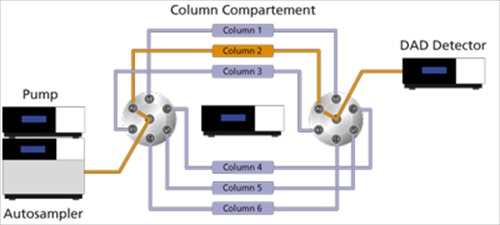
 Under the leadership of Professor Giovanni Dietler, the research activity of the laboratory of physics of living matter is mainly devoted to the study of DNA topology, cellular machines, protein mechanics and high-resolution low temperature Atomic Force Microscopy (AFM). Through internal and external collaborations, a certain number of other research activities are carried out in particular on knots hydrodynamics, DNA gel electrophoresis, cell elasticity, cell motility, etc. Kulik and his colleagues are measuring the mechanical properties of proteins, cells and tissues. To date, AFM has been the main tool but is now complemented with the arrival of a nanoIR™ AFM-IR system from Anasys...
 Key modifications to both GC and MS hardware and methods are necessary for successfully switching to hydrogen. Fast GC-MS Analysis of Semi-Volatile Organic Compounds: Migrating from Helium to Hydrogen as a Carrier Gas in US EPA Method 8270, featuresthe Thermo Scientific™ TRACE™ 1310 GC coupled to a Thermo Scientific™ ISQ™ single quadrupole mass spectrometer using hydrogen as a carrier gas. The final, optimized EPA Method 8270 is fully migrated to hydrogen carrier gas with improved peak shape, resolution, and run time...
 Widely used as an indicator of the stability of particle suspensions and colloidal samples, surface zeta potential is traditionally measured using the specialist technique of streaming potential. Malvern’s Surface Zeta Potential Cell eliminates the need for a dedicated solution, allowing users to measure the zeta potential of surfaces in an aqueous medium on a standard instrument. The application note ‘Determination of the zeta potential of the surface of PTFE’, and others relating to different aspects of the measurement, can now be downloaded from Malvern’s online knowledge center...
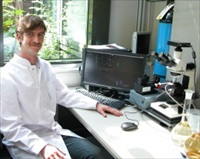 Inorganic and organic colloids are widespread in aquatic systems, where they influence many water quality treatment processes. Until recently there was a lack of an adequate analysis technique to measure the size fraction below 1000 nm. The research group of Professor Mathias Ernst of the Institute of Water Resources and Water Supply at the Technical University Hamburg-Harburg has adopted the use of NanoSight's NTA technique to provide new insights into water quality...
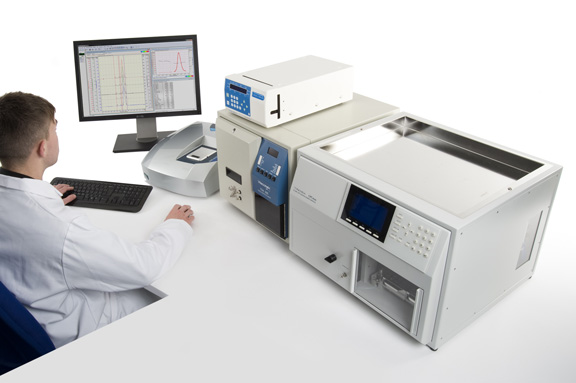 Covering the theory and practice of molecular weight measurements using static light scattering, this basic guide serves as both an introduction for those with no prior knowledge of the technique and a reference document for anyone looking to enhance their understanding. The white paper is available as a free download from the Malvern Instruments website
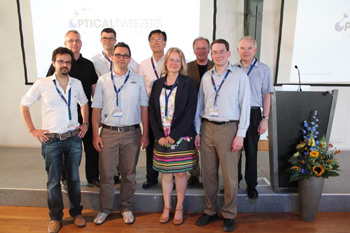 Held in Berlin, over 60 delegates enjoyed excellent presentations for an international group of speakers. This year's symposium was held on the 18th June in Berlin at the excellent Palisa De/Umspannwerk Ost. A sweltering Berlin welcomed over sixty scientists from around the world to discuss their results and share scientific knowledge in a relaxed and informal atmosphere. NanoBioVIEWS™ is the name of a series of international meetings initiated by JPK Instruments to further the scientific knowledge exchange on instrumentation and applications of nanotechnology in the life sciences...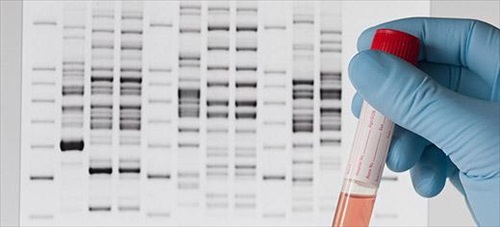
 Oracle and Greenphire are integrating their respective product suites to enable their clients to streamline and automate processes from trial planning and budgeting, all the way through data capture to executing payments to clinical sites and patients, while providing real-time, strategically valuable reporting and analytics. The first initiative will be the integration of Greenphire’s global payment platform, eClinicalGPS, with Oracle’s electronic data capture (EDC) solutions, Oracle Health Sciences InForm and Oracle Remote Data Capture (RDC)...
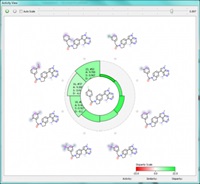 Activity Miner explores the structure activity landscape of a set of molecules. For each pair of molecules, the difference between them in electrostatics, shape and structure is compared to the difference in activity. A small change in structure or electrostatics that results in a large change in activity is known as an activity cliff. Conversely, large structural changes resulting in little or no change in activity indicate bioisosteres. In each case, the comparison indicates an area of interest that merits further research...