Bruker has released an application note detailing a simple and convenient method for the quantification of trace pharmaceutical and personal care products (PPCPs) in clean water, using Bruker’s EVOQ triple quadrupole liquid chromatography mass spectrometer (LC-MS/MS).
PPCPs are products used for personal health or cosmetic reasons. PPCPs in environmental and potable water are potentially harmful for both humans and the environment, so are strictly regulated by environmental bodies such as the United States Environmental Protection Agency (US EPA). Bruker’s technique proved simpler than traditional solid phase extraction (SPE) based methods and the EVOQ showed excellent sensitivity and robustness throughout....
Read MoreGet your free copy of 'Electrodes in Voltammetry' now!Mar 14, 2014
Accurate results of voltammetric measurements depend on the correct installation and maintenance of the electrode. All you need to know about it is available now on the new, free of charge multimedia guide 'Electrodes in Voltammetry'
'Electrodes in Voltammetry' comes on a single CD and answers all your questions concerning the installation and maintenance of the
Anasys Instruments reports on the publication in the Journal of Physical Chemistry Letters demonstrating the use of AFM-IR used by French researchers to identify best microbes for biofuel production.
While the debate over using crops for fuel continues, scientists are now reporting a new, fast approach to develop biofuel in a way that doesn't require removing valuable farmland from the food production chain. Their work examining the fuel-producing potential of Streptomyces, a soil bacterium known for making antibiotics, appears in ACS' The Journal of Physical Chemistry Letters (see footnote). The scientists used atomic force microscopy combined with infrared spectroscopy (AFM-IR) to measure the size and map the distribution of oil inclusions inside of microorganism without staining or other special sample preparation...
As growing numbers of Chinese pharmaceutical companies increase their investment in drug discovery, the adoption of technology to increase their chemical synthesis throughput is growing fast.
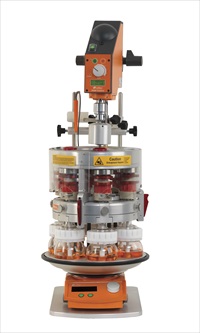
There has been considerable interest in the RadleysTornado and Carousel 6 system, which offers controlled parallel heating and mechanical stirring of up to 6 x 250ml flask within a compact benchtop footprint. Professor Chen Biqiang from the College of Life Science and Technology at the Beijing Institute of Chemical Technology recently invested in a Tornado system . He commented, “I am primarily engaged in the research of enzyme-catalyzed synthesis of polyunsaturated fatty acid glycerides and previously used a water bath and mechanical agitation to deal with a sample...
A chemist based at the University of Copenhagen has just taken out a patent for a drug that can make previously multidrug-resistant bacteria responsive to antibiotics once again.
Jørn Bolstad and his chemist colleagues hope that the substance will soon be able to tackle the tremendous problems associated with multidrug resistant tuberculosis (MDR-TB). But first, they need to find investors interested in getting the substance onto the market. Before the development of penicillin, people dropped like flies in response to minor infections: in the lungs, in small cuts. Even pimples could grow to boils that killed. But one of the main killers prior to the discovery of antibiotics was tuberculosis...
Renowned protein scientist Prof. Dr. John F. Carpenter shows how combining Dynamic Light Scattering with Raman Spectroscopy delivers new insights in protein stability, aggregation and structure
Malvern Instruments welcomes Prof. Dr. John F. Carpenter, from the University of Colorado Center for Pharmaceutical Biotechnology, as a guest presenter contributing to the company’s current series of webinars. Professor Carpenter is a renowned expert in mechanisms for protein degradation and stabilization in pharmaceutical formulations. In his webinar on 18 March 2014 he will discuss how the combination of dynamic light scattering technology with Raman spectroscopy delivers new insights into the measurement and prediction of protein stability, aggregation and high order structure....
Analytik Jena AG has obtained a major contract for the supply of 22 instruments of the multi N/C® series to analyze the water quality in the Chinese province Henan.
The project volume of the contract amounts to a medium-level six-figure range. The instruments are already due to be delivered during the current quarter. "During the tender for this major project we succeeded against numerous large competitors. The quality of our products was convincing", said Torsten Olschewski, General Manager of the business unit Analytical Instrumentation at the Analytik Jena AG. As part of the project "Automatic Monitoring Capacity Building Project of Surface Water Quality" the Chinese province Henan wants to increasingly engage with environmental analysis in the future...
Children are exposed to intakes of heavy metals from a wide variety of sources. Chromium (VI) in particular represents a potential hazard, as it is absorbed from food and drinking water, from the air that is breathed, from textiles, from utensils that contain metal and from toys.
The analytical determination of chromium (VI) content in toys for compliance with limit values is described in the European standard DIN EN-71-3-2013 (Safety of toys Part 3 – Migration of certain elements). The standard differentiates between three categories, depending on the kind of toys...
The Society for Laboratory Automation and Screening (SLAS) announces that Tomasz Koprowski of the Institute for Chemical and Bioengineering in Zurich, Switzerland, is the grand prize winner of the 2014 JALA & JBS Art of Science Contest.
Nine finalists from six countries were selected from 60 entries. SLAS members and nonmembers then voted for their favorite finalists at SLAS.org. “Tree of Life” by Tomasz Koprowski captures C.elegans worms on a chunk of agar and as the top vote-getter and grand prize winner, Koprowski received a $500 Amazon gift card. The eight other finalists each received a $25 Amazon gift card, and all finalists enjoyed 60 days free online access to the SAGE Pharmacology & Biomedical Collection...
Presents Validation Data for Improving Media Screening and Process Optimisation
TAP Biosystems, a leading supplier of innovative cell culture and fermentation systems for life science applications, today announced that it will be co-presenting a new bioprocess webinar with Irvine Scientific, a major producer of cell culture media, on Wednesday March 12th 2014 at 9 am PST / 12 noon EST / 4 pm GMT. The live event will detail how to use ambr™ automated micro bioreactor system in alternative semi-continuous modes to mimic perfusion cultures and how this can be used to save time with process optimisation and media screening...
Proteases are vital proteins that serve for order within cells. They break apart other proteins, ensuring that these are properly synthesized and decomposed. Proteases are also responsible for the pathogenic effects of many kinds of bacteria. Now chemists at the Technische Universitaet Muenchen (TUM) have discovered two hitherto unknown mechanisms of action that can be used to permanently disarm an important bacterial protease. Proteins are made up of a chain of amino acids and are vital for all cell processes..
Chemical reactions in artificial cell-scale systems show surprising diversity: The thousand-droplets test
In future, an entire chemistry lab could be accommodated in a tiny little droplet. While simple reactions already work in these simplest models of an artificial cell now a group of scientists of the Cluster of Excellence Nanosystems Initiative Munich (NIM) have established and investigated for the first time a complex biochemical system. They discovered a surprising diversity. An almost infinite number of complex and interlinked reactions take place in a biological cell. In order to be able to better investigate these networks, scientists led by Professor Friedrich Simmel, Chair of Systems Biophysics and Nano Biophysics at the Technische Universitaet Muenchen (TUM) try to replicate them with the necessary components in a kind of artificial cell...
Scientists working at the Leibniz-Institute for Molecular Pharmacology are benefitting from MultiChannel Arm™ (MCA) 384
Scientists working at the Leibniz-Institute for Molecular Pharmacology (FMP) in Berlin, Germany, are benefitting from the low volume pipetting capability of a MultiChannel Arm™ (MCA) 384 for siRNA and small molecule screening. Martin Neuenschwander, an automation scientist working in Dr Jens Peter von Kries’ Screening Unit at the FMP, explained: “We have been using laboratory automation for small molecule screens for several years, and have four Freedom EVO® 200 platforms equipped with a variety of liquid handling arms...
Thermo Fisher Scientific has developed a new gradient high-performance liquid chromatography methods that use a spectro-electro array platform
Thermo Fisher Scientific has developed a new gradient high-performance liquid chromatography methods that use a spectro-electro array platform to measure specific analytes in beer samples, distinguish between different samples, and study beer stability. Application Note 1065: Gradient HPLC Method for Analysis of Beer Polyphenols, Proanthocyanidins, and Bitter Acids Using a Novel Spectro-Electro Array Platform demonstrates a method that provides accurate and sensitive measurements that cannot be obtained using ultraviolet detection alone, as well as metabolomic approaches that can be used to study fermentation, product stability, and authenticity issues...
Analytik reports on the work of the Food & Environmental Research Agency
Analytik, leading suppliers of innovative analytical instrumentation to the UK and Ireland, reports on the work of the Food & Environmental Research Agency where they have carried out studies on engineered nanoparticles using various particle sizing techniques, notably differential centrifugal sedimentation analysis...
Market leaders in temperature controlled microscopy, Linkam Scientific Instruments report on the use of their stages in the study of pharmaceutical processes at the Robert Gordon University, Scotland.
The School of Pharmacy and Life Sciences at the Robert Gordon University have been using Linkam systems to look at the behavior of drugs at varying temperatures. This relatively young university was awarded with the prestigious "The Sunday Times Best Modern University in the UK" in 2012 with the School of Pharmacy and Life Sciences being one of the key factors contributing to this recognition...
The National Institute for Health Research (NIHR) launches an open competition for funding today for research to inform the work of NHS Blood and Transplant.
Universities in England are invited to enter into a research partnership with NHSBT, to drive forward priority blood and transplantation research in four priority areas. Speaking about the partnership funding initiative, Lorna Williamson, Medical and Research Director at NHSBT said: "I am delighted that the National Institute for Health Research continues to recognise the importance of blood and transplantation research....
Orang-utans may venture down from their arboreal habitat in the Bornean rainforest more often than previous anecdotal observations indicated.
Liverpool John Moores University's Professor Serge Wich, alongside Marc Ancrenaz and colleagues conducted a large-scale analysis of orang-utan terrestriality using comprehensive camera-trapping data from 16 sites across Borneo. Their research, published in the journal Scientific Reports, provides evidence of male and female orang-utans of all ages travelling on the ground. The study suggests that orang-utans may potentially be more resilient to drastic habitat change than previously thought...
Research advances in novel pathways produce innovative antidiabetic drugs, which will pave the way for successful market penetration
Type 2 diabetes is one of the most significant global health concerns of modern times. According to the International Diabetes Federation, more than 55 million people have been diagnosed with diabetes in Europe in 2012, and this number is expected to rise to 64 million by 2030. A recent research by Frost & Sullivan, “Global Type 2 Diabetes Therapeutics Market”, covers the European region in detail, as well as other key markets worldwide. The European market earned revenues for €9.50 billion in 2009 and is estimated to reach €15.46 billion in 2017, at a CAGR of 3.8 percent....
Read MoreHichrom announces its 2014 LC and GC training programme with courses from world-renowned experts including John Dolan and Mel EuerbyFeb 25, 2014
Hichrom's 2014 training programme is now available, featuring courses covering every area of HPLC, UHPLC and GC and delivered by world-renowned experts including John Dolan and Mel Euerby. Whether you are a relative newcomer to chromatography or a seasoned veteran, you can benefit from one of these courses.
In addition to the full programme of 1 and 2 day courses, a comprehensive series of short 1¾ hour seminars is also available, either as open enrolment courses or for on-site training. New courses for 2014 include: Superficially Porous Phases – Development and Benefits, The Analysis of Polar Molecules, Method Development Strategies to Exploit Selectivity in UHPLC/HPLC and The Technique of Gas Chromatography - in 3 parts.
Frederic Girard, CEO of Spinnovation Biologics, has authored a new article detailing the benefits of novel Spedia-NMR™ and NMR technology for Quality by Design (QbD) process development within biologics production.
Entitled ‘Fingerprinting Culture Media’, the article was published in January 2014’s edition of European Biopharmaceutical Review and is now available for download online. The QbD initiative is rapidly being adopted throughout the conventional and bio-pharmaceutical industry to ensure product quality and consistency within manufacture. Exploring the background of the growing QbD movement within biotechnology....

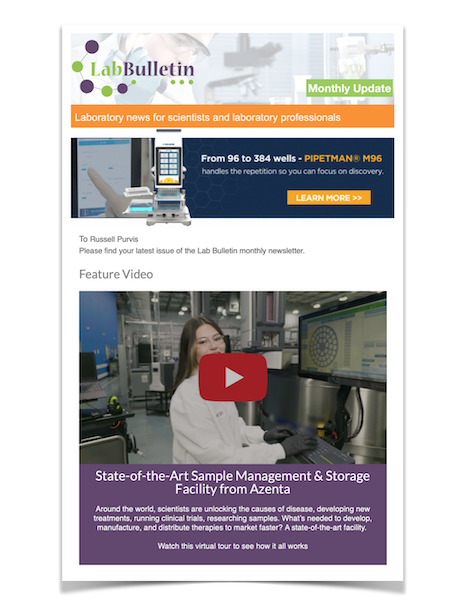

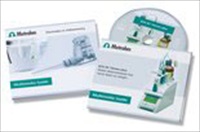 'Electrodes in Voltammetry' comes on a single CD and answers all your questions concerning the installation and maintenance of the

 Malvern Instruments welcomes Prof. Dr. John F. Carpenter, from the University of Colorado Center for Pharmaceutical Biotechnology, as a guest presenter contributing to the company’s current series of webinars. Professor Carpenter is a renowned expert in mechanisms for protein degradation and stabilization in pharmaceutical formulations. In his webinar on 18 March 2014 he will discuss how the combination of dynamic light scattering technology with Raman spectroscopy delivers new insights into the measurement and prediction of protein stability, aggregation and high order structure....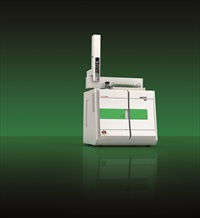
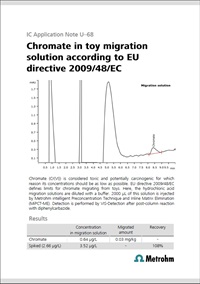 The analytical determination of chromium (VI) content in toys for compliance with limit values is described in the European standard DIN EN-71-3-2013 (Safety of toys Part 3 – Migration of certain elements). The standard differentiates between three categories, depending on the kind of toys...
 Nine finalists from six countries were selected from 60 entries. SLAS members and nonmembers then voted for their favorite finalists at SLAS.org. “Tree of Life” by Tomasz Koprowski captures C.elegans worms on a chunk of agar and as the top vote-getter and grand prize winner, Koprowski received a $500 Amazon gift card. The eight other finalists each received a $25 Amazon gift card, and all finalists enjoyed 60 days free online access to the SAGE Pharmacology & Biomedical Collection...
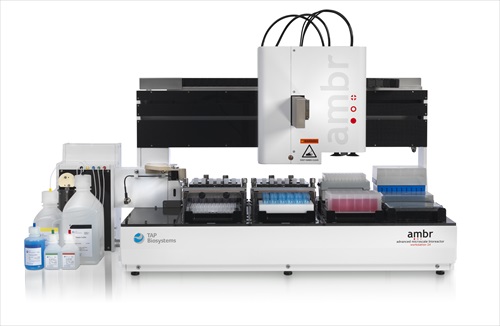 TAP Biosystems, a leading supplier of innovative cell culture and fermentation systems for life science applications, today announced that it will be co-presenting a new bioprocess webinar with Irvine Scientific, a major producer of cell culture media, on Wednesday March 12th 2014 at 9 am PST / 12 noon EST / 4 pm GMT. The live event will detail how to use ambr™ automated micro bioreactor system in alternative semi-continuous modes to mimic perfusion cultures and how this can be used to save time with process optimisation and media screening...
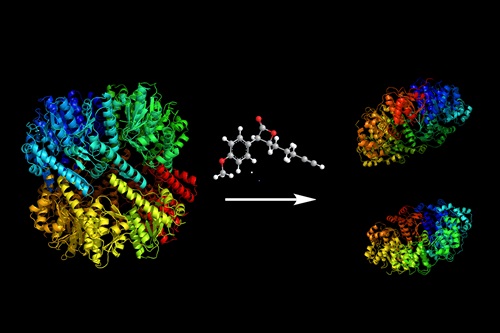 Proteases are vital proteins that serve for order within cells. They break apart other proteins, ensuring that these are properly synthesized and decomposed. Proteases are also responsible for the pathogenic effects of many kinds of bacteria. Now chemists at the Technische Universitaet Muenchen (TUM) have discovered two hitherto unknown mechanisms of action that can be used to permanently disarm an important bacterial protease. Proteins are made up of a chain of amino acids and are vital for all cell processes..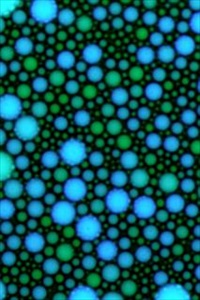
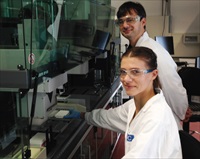 Scientists working at the Leibniz-Institute for Molecular Pharmacology (FMP) in Berlin, Germany, are benefitting from the low volume pipetting capability of a MultiChannel Arm™ (MCA) 384 for siRNA and small molecule screening. Martin Neuenschwander, an automation scientist working in Dr Jens Peter von Kries’ Screening Unit at the FMP, explained: “We have been using laboratory automation for small molecule screens for several years, and have four Freedom EVO® 200 platforms equipped with a variety of liquid handling arms...
 Thermo Fisher Scientific has developed a new gradient high-performance liquid chromatography methods that use a spectro-electro array platform to measure specific analytes in beer samples, distinguish between different samples, and study beer stability. Application Note 1065: Gradient HPLC Method for Analysis of Beer Polyphenols, Proanthocyanidins, and Bitter Acids Using a Novel Spectro-Electro Array Platform demonstrates a method that provides accurate and sensitive measurements that cannot be obtained using ultraviolet detection alone, as well as metabolomic approaches that can be used to study fermentation, product stability, and authenticity issues...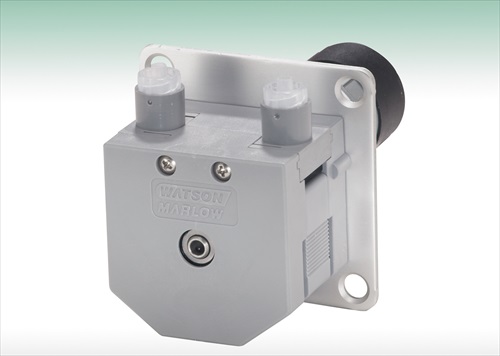
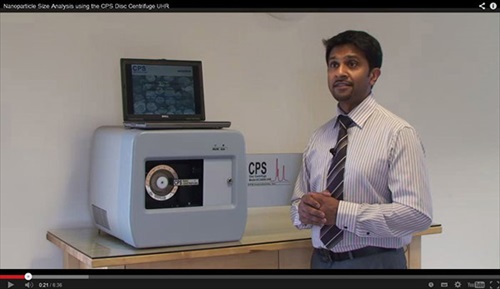 Analytik, leading suppliers of innovative analytical instrumentation to the UK and Ireland, reports on the work of the Food & Environmental Research Agency where they have carried out studies on engineered nanoparticles using various particle sizing techniques, notably differential centrifugal sedimentation analysis...

 Liverpool John Moores University's Professor Serge Wich, alongside Marc Ancrenaz and colleagues conducted a large-scale analysis of orang-utan terrestriality using comprehensive camera-trapping data from 16 sites across Borneo. Their research, published in the journal Scientific Reports, provides evidence of male and female orang-utans of all ages travelling on the ground. The study suggests that orang-utans may potentially be more resilient to drastic habitat change than previously thought...
 In addition to the full programme of 1 and 2 day courses, a comprehensive series of short 1¾ hour seminars is also available, either as open enrolment courses or for on-site training. New courses for 2014 include: Superficially Porous Phases – Development and Benefits, The Analysis of Polar Molecules, Method Development Strategies to Exploit Selectivity in UHPLC/HPLC and The Technique of Gas Chromatography - in 3 parts.
 Entitled ‘Fingerprinting Culture Media’, the article was published in January 2014’s edition of European Biopharmaceutical Review and is now available for download online. The QbD initiative is rapidly being adopted throughout the conventional and bio-pharmaceutical industry to ensure product quality and consistency within manufacture. Exploring the background of the growing QbD movement within biotechnology....