

Early detection of breast cancer is one of the best methods to improve survival rate. This can be done in two ways - by hand and by using mammography screening. A mammogram is an X-ray exam of the breasts to look for abnormal changes. The results can go directly into a computer and become a digital image ready to be read and analyzed by a radiologist. ISO has developed a number of International Standards to support digital imaging, in particular ISO 12052:2006, Health informatics – Digital imaging and communication in medicine (DICOM) including workflow and data management...

 According to the World Health Organisation, between now and 2020, the cancer rate will rise by 50%, producing 15 million new cases a year worldwide. As the number of cancer patients rises, so does the use of chemotherapy treatments using cytostatic drugs. While effective in treating disease, these drugs are also potentially hazardous for the oncology nurses, pharmacists and other healthcare professionals who handle them...
 The findings could pave the way for the development of new technology to support rehabilitation of people who have lost their sight through conditions such as a stroke. The research, published in Proceedings of the National Academy of Sciences, shows incidence of blindsight - where a seemingly blind person is able to detect something in their visual field - is significantly more common than previously understood....
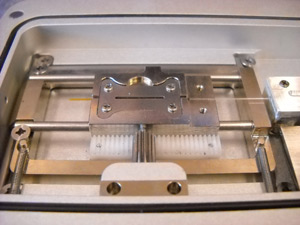


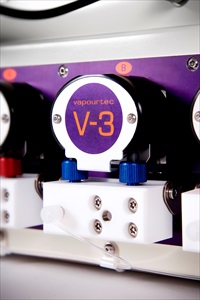

 Microsaic Systems plc, the high technology company developing next generation mass spectrometry instruments, has announced the formation of its first Scientific Advisory Group. Colin Jump, CEO Microsaic Systems, commented, “With the successful international launch and showcasing of our premier product, the 4000 MiD, we have created a real interest in our growing portfolio of innovative chip-based technology.


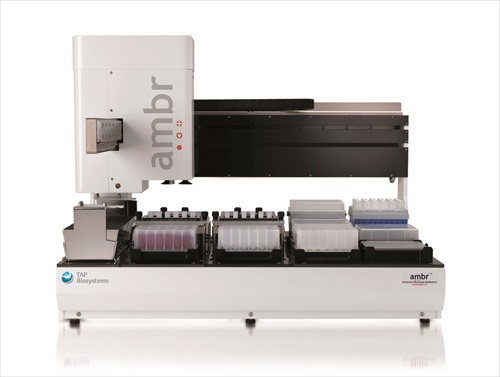 TAP Biosystems, a leading supplier of innovative cell culture and consumables for life science, today announced a new application of its ambr™ micro bioreactor system as a perfusion mimic, enabling scientists to rapidly and easily develop large scale perfusion culture processes of unstable, low producing or minimally expressing proteins or antibodies. The ambr system has been utilised as a semi-continuous chemostat model for perfusion culture in 10-15mL micro bioreactors by utilising the ambr workstation’s integrated cell counter to monitor cell density and calculate both cell growth rates and dilution volumes required to maintain stable cell density. The ambr’s automated liquid handling performs these dilutions at appropriate time points, thus automatically refining chemostasis throughout the culture process...